Reviewing the Teacup Sachet for Boutique Apparel
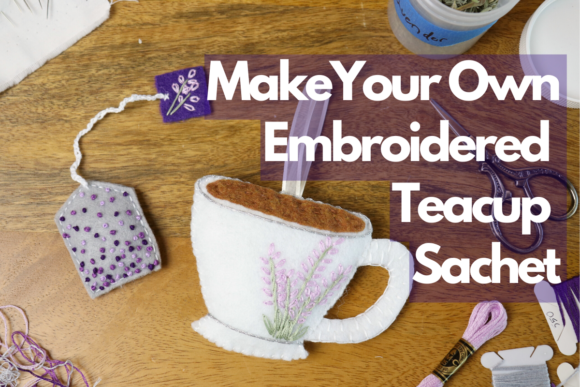
As an embroidery designer who spends countless hours digitizing and testing designs for small clothing brands, I am always on the lookout for unique concepts that break the monotony of standard floral or typographic motifs. Recently, while browsing Creative Fabrica embroidery resources to refresh my upcoming seasonal collection, I came across a product titled Make Your Own Embroidered Teacup Sachet. At first glance, this appeared to be a traditional craft project rather than a direct machine embroidery design for apparel. However, digging deeper into the description reveals a fascinating approach using appliqué and embroidery techniques that can be adapted for high-end boutique merchandise.
The product description states: "Using appliqué and embroidery techniques, Charlie will teach you how to make your own stuffed felt sachet duo - a teacup and teabag. Cut out shapes from colored felt, layer and stitch them together." This instructional angle places it firmly in the Classes category, offering valuable insight into construction methods that many digital sellers overlook. For an experienced decorator, understanding how to layer felt and create dimensional objects opens up new possibilities for custom apparel that stands out in a crowded market.
Visual Personality and Design Mood
The immediate impression of the teacup and teabag motif is one of whimsical charm. It feels distinctly cozy, feminine, and playful, making it an excellent candidate for lifestyle-oriented brands. The aesthetic leans towards a rustic yet trendy vibe, perfect for customers who appreciate handmade details. When considering this for a boutique brand, the visual strength lies in its narrative quality. It is not just a logo; it tells a story of comfort and relaxation. This emotional connection is crucial for increasing buyer trust and customer engagement on platforms like Etsy.
For apparel decorators, the challenge and opportunity lie in translating this 3D sachet concept onto flat fabrics. The use of colored felt suggests a rich fabric texture contrast against smooth cotton or polyester blends. This tactile element can elevate a simple garment into a premium piece. Whether aiming for a minimal look with subtle accents or a bold statement with large-scale appliqué, the design versatility is significant.
Application on Sweatshirts and Hoodies
When planning a small sweatshirt or hoodie collection, placement is everything. The teacup motif works exceptionally well for sweatshirt embroidery on the left chest area. Here, it acts as a delicate badge of quality. For a more dramatic effect, consider placing a larger version on the back of an oversized hoodie. The rounded shapes of the teacup complement the curved seams of raglan sleeves, making sleeve accents another viable option.
However, working with fleece and heavy knits requires careful attention to stitch density and stabilizer choice. Since the original concept involves layering felt, replicating this look on a hoodie might require dense satin stitches or cut-work appliqué to mimic the depth without adding excessive bulk. Dark garments, such as navy or charcoal hoodies, provide a stunning backdrop for pastel-colored felt applications, ensuring the design pops without looking childish.
Versatility Across Product Lines
Beyond hoodies, this design concept shines on various other substrates. For t-shirt embroidery, a simplified flat version of the teacup can serve as a cute pocket detail. On denim jackets, the sturdy fabric supports heavier appliqué work, allowing for a more rugged, vintage interpretation of the tea theme. Tote bags are perhaps the most natural fit for this aesthetic. A handmade product like a canvas tote featuring a stitched teacup aligns perfectly with the eco-conscious, slow-fashion movement.
For Etsy sellers and creative entrepreneurs, the visual consistency of this motif across different products helps build strong brand identity. Imagine a coordinated launch featuring matching hoodies, tote bags, and even home decor items. This cross-category appeal enhances product recognition and encourages larger basket sizes. Furthermore, the charming nature of the design lends itself beautifully to lifestyle product photos and social media graphics, driving organic engagement.
Technical Considerations for Production
Before committing to full production, there are several practical notes every designer should consider. First, always test on scrap fabric that matches your final garment. The interaction between thread colors and the base fabric can drastically change the perceived quality of the finished product. If you are adapting the sachet technique for machine embroidery, pay close attention to the hoop size required for your specific design scale.
Stabilizer selection is critical, especially for stretchy fabrics like ribbed cuffs or lightweight jersey t-shirts. A tear-away stabilizer might suffice for stable wovens, but cut-away is often necessary for knits to prevent distortion. Additionally, inspect the stitch density if you are using a digitized version of this concept. High density on thin fabric can cause puckering, while low density on thick fleece may not cover the base material adequately.
Since this product is listed under Classes and focuses on teaching techniques, it is vital to confirm the licensing terms before selling finished apparel. Unlike a standard digital embroidery file that comes with clear commercial use rights, educational content may have different restrictions. Always check the Creative Fabrica product details and license agreement to ensure compliance. If the package does not explicitly include machine-ready files, you may need to digitize the shapes yourself or use them as inspiration for manual appliqué.
Enhancing Brand Value and Presentation
Incorporating unique elements like the teacup sachet design can significantly affect apparel value. Customers are increasingly willing to pay a premium for items that feel exclusive and thoughtfully designed. By moving away from generic stock designs and embracing creative constructions, you position your small shop product as artisanal and high-quality. This perception builds long-term loyalty.
Professional presentation also plays a key role. Use printable mockups to visualize how the teacup design looks on different colorways before stitching a single thread. This saves time and materials while allowing you to curate a cohesive collection. Consistent visual branding across your online store, from product thumbnails to packaging, reinforces the professional image of your business.
Ultimately, Make Your Own Embroidered Teacup Sachet offers more than just a pattern; it provides a creative framework for developing distinctive apparel. Whether you are an experienced embroiderer looking to expand your technical skills or a boutique owner seeking fresh ideas, this resource encourages innovation. By carefully adapting the appliqué and layering techniques taught in the class, you can create memorable pieces that resonate with your audience. Just remember to validate all technical specifications, such as file formats and compatibility, directly with the provider to ensure a smooth production workflow.