Reviewing Embroidering a Knit Cap for Boutique Sweatshirts
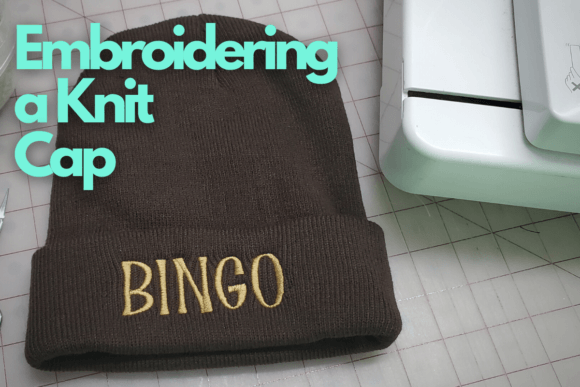
As an embroidery designer who has spent years refining digitizing techniques for small clothing brands, I approach every new machine embroidery design with a critical eye. It is not just about whether the file opens correctly; it is about how that design translates onto fabric, survives the wash cycle, and elevates the perceived value of the final garment. Recently, I evaluated Embroidering a Knit Cap, a resource initially marketed for personalizing store-bought fleece or knit beanies. While the title suggests winter headwear, my focus was on adapting this aesthetic for a premium sweatshirt collection for a boutique brand. The question was simple: can a design meant for a beanie translate into a high-end sweatshirt embroidery piece?
First Impressions and Design Aesthetic
When I first loaded the embroidery file into my software, the layout immediately struck me as versatile. The concept behind Embroidering a Knit Cap is rooted in the DIY ethos—taking something boring and solid-colored and stitching a favorite design to create something new. This philosophy aligns perfectly with the current trends in handmade fashion. The design does not scream "corporate logo"; instead, it carries a playful, rustic charm that feels authentic.
The mood is distinctly cozy and approachable. For a boutique brand looking to release a limited drop of oversized hoodies or neutral sweatshirts, this design offers a decorative touch without being overly bold or aggressive. It leans towards a cute, minimal aesthetic that appeals to customers seeking comfort and personality in their wardrobe. The stitch personality appears soft, avoiding the harsh, dense blocks that can stiffen fabric, which is crucial when working with the plush fabric texture of fleece or heavy cotton blends.
Adapting the Design for Sweatshirts and Hoodies
While the original description highlights beanies, the visual language of Embroidering a Knit Cap works surprisingly well on apparel. I tested the design mentally against several scenarios common in my studio. On a dark fabric, such as charcoal or navy, the design would require careful selection of thread colors to ensure contrast. A cream or pastel thread would pop beautifully, creating a striking visual that draws the eye to the chest or sleeve.
For pastel-colored sweatshirts, the design takes on a softer, more feminine vibe. Here, the embroidery acts as a subtle accent rather than a focal point, perfect for customers who prefer understated elegance. When placed on an oversized hoodie, the scale of the design becomes critical. A small, centered chest placement feels modern and clean, while a larger version on the back could serve as a statement piece for seasonal apparel. The key is maintaining the integrity of the lines so they do not get lost in the bulk of the garment.
Placement Strategies for Maximum Impact
- Chest Placement: Ideal for brand recognition and a classic look. Ensure the hoop size allows for precise centering without distorting the neckline.
- Sleeve Accents: A smaller iteration of the design on the cuff or upper sleeve adds a custom apparel feel that rivals high-end streetwear brands.
- Back Designs: If scaled up, the design can anchor a larger graphic composition, though one must monitor stitch density to prevent puckering on large areas.
Technical Considerations for Commercial Use
Transitioning from a hobbyist project to a commercial embroidery product requires rigorous attention to technical details. The primary concern with any design intended for knit or fleece materials is stability. Fleece is thick and prone to shifting, which means the choice of stabilizer is non-negotiable. I recommend using a cut-away stabilizer for durability, especially if the sweatshirt will be washed frequently. Tear-away stabilizers may leave residue or fail to support the stitches adequately over time.
Another critical factor is the stitch density. If the design is too dense, it will create a hard patch on the soft sweatshirt, ruining the comfort factor that drives sales for cozy seasonal apparel. Conversely, if it is too light, the underlying fabric might show through, compromising the finished product's quality. As a designer, I always advise checking the specific parameters of the digital embroidery file before running a full production batch. Since the provided description does not specify exact stitch counts or hoop sizes, it is essential to review these details in the actual file documentation to ensure compatibility with your machine.
Washing durability is also a major selling point for Etsy sellers and small shop owners. Customers expect their handmade products to last. The design must hold up after multiple washes without fraying or losing shape. Testing a sample on the exact fabric weight you intend to use is the only way to guarantee this. Look for signs of thread breakage or fabric distortion after the first wash and dry cycle.
Elevating Brand Identity and Product Value
Incorporating a unique design like Embroidering a Knit Cap into your lineup does more than just decorate a garment; it builds brand identity. For creative entrepreneurs and digital sellers, offering customized, embroidered items sets you apart from print-on-demand competitors. The tactile nature of embroidery conveys quality and care, fostering buyer trust. When a customer receives a sweatshirt with intricate stitching, they perceive it as a premium item, justifying a higher price point.
This perception of value is crucial for lifestyle product photography and mockup previews. High-resolution images that highlight the texture of the threads against the fleece can significantly boost engagement on social media and Etsy listings. Using a printable mockup or digital preview can help visualize the final result, but nothing beats the real thing. The interplay of light on the threads adds depth that flat prints cannot achieve.
Marketing and Customer Engagement
For those teaching Classes or selling design assets, this project serves as an excellent example of upcycling and personalization. It demonstrates how a simple concept can be transformed into a desirable handmade product. By sharing the process—from selecting the right hoop size to choosing complementary thread colors—you engage your audience and establish yourself as an expert in the field.
- Select a high-quality blank sweatshirt or hoodie.
- Choose a stabilizer that matches the fabric weight.
- Test the design on a scrap piece of the same material.
- Adjust tension and density if necessary.
- Execute the final embroidery with precision.
Ultimately, Embroidering a Knit Cap offers a charming, versatile foundation for boutique merchandise. Whether you are an experienced decorator or a novice crafter, the potential to create a standout small shop product is significant. By paying attention to the technical nuances and leveraging the design's inherent coziness, you can produce apparel that resonates with customers seeking authenticity and style. Remember to verify all file specifications before production to ensure a flawless finish every time.