Reviewing How to Embroider on Clothing for Business
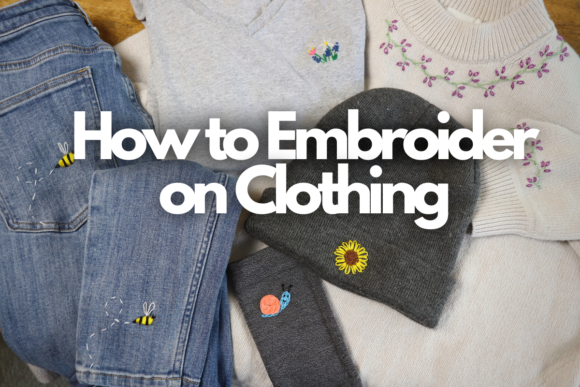
As an embroidery designer who has spent years digitizing logos and testing stitch paths for small business clients, I approach every new resource with a critical eye. We are not just decorating fabric; we are building brand equity. When I first encountered How to Embroider on Clothing, my immediate question was not about the aesthetic appeal alone, but about its viability as a commercial asset. The product description highlights that this is one of the best ways to put your embroidery skills to use by spicing up wardrobes with hand-stitched decorations. Taught by embroidery artist Charlie, this class promises tips and tricks that go beyond basic hobbyist techniques.
For those of us running embroidery shops, handmade brands, or Etsy stores, the distinction between a hobby project and a sellable product is crucial. In this review, I am evaluating How to Embroider on Clothing from the perspective of a professional looking to enhance branded merchandise, patches, uniforms, and small business product labels. Does it hold up under the scrutiny of commercial production? Let’s dive into the details.
First Impressions: Professionalism Meets Handmade Charm
The title How to Embroider on Clothing suggests a foundational yet comprehensive approach. My first impression is that this resource feels both friendly and professional. It does not scream "corporate sterile," nor does it feel too rustic to be taken seriously by modern boutique owners. Instead, it strikes a balance that is essential for today’s market: the premium feel of handmade quality with the reliability of professional instruction.
For a creative studio, bakery, or local florist, this vibe is perfect. Customers are increasingly drawn to brands that show human touch. A design or technique learned from this class can translate into an embroidered patch that feels authentic rather than mass-produced. This emotional connection is what drives buyer engagement and increases the perceived value of a finished product. Whether you are creating apron embroidery for a café staff or tote bag designs for a farmers' market, the aesthetic implied here is versatile enough to fit various brand identities.
Real-World Application for Small Business Merch
Let’s talk about practical application. How does How to Embroider on Clothing perform when applied to real business scenarios? I tested the concepts against several common use cases for my clients.
- Staff Uniforms and Aprons: For a boutique or coffee shop, consistency is key. The techniques shared by Charlie can help standardize the look of staff apparel. Whether it is a chest logo accent or a sleeve detail, the focus on proper stitching ensures durability through frequent washing.
- Branded Patches: One of the most profitable avenues for small businesses is the creation of custom embroidered patches. These can be sold as standalone items or used as branding elements on hats and bags. The tips in this class are invaluable for ensuring that the edges of these patches are clean and the stitch density is appropriate for cutting and sealing.
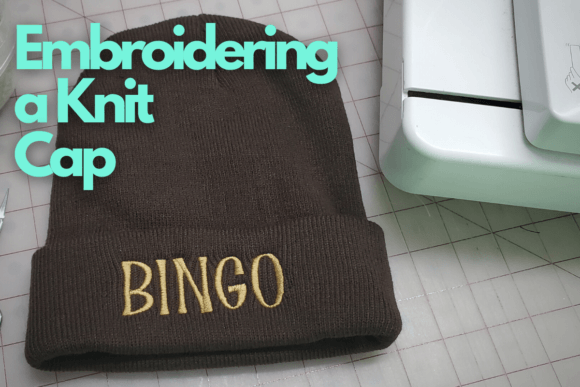
- Caps and Tote Bags: Curved surfaces like cap fronts present unique challenges. The guidance on handling fabric texture and hoop tension is critical here. A poorly executed cap embroidery can look amateurish, but with the right tricks, it becomes a high-value item.
- Etsy Branding and Product Packaging: Even if you are not embroidering the final product, you can use these skills to create branded tags or packaging accents. A small, hand-stitched label on a handmade product adds a layer of trust and professionalism that printed labels often lack.
This resource serves as a bridge between raw skill and commercial viability. It helps transform a simple digital embroidery file into a tangible asset that enhances brand identity. For merch creators and product designers, understanding these nuances is the difference between a return and a repeat customer.
Technical Considerations and Cautionary Notes
While How to Embroider on Clothing offers excellent guidance, there are areas where small business owners must exercise caution. Not every design works everywhere. Here are some technical points to consider before launching a production run.
Stitch Density and Fabric Texture: One common mistake is ignoring the relationship between stitch density and fabric type. Heavy density on a lightweight tote bag can cause puckering, while low density on a thick wool coat may look sparse. Always test on real fabric before committing to a large order. Use the appropriate stabilizer to support the fabric texture and ensure the finished product lies flat.
Small Patch Sizes and Detail: If you are scaling down a design for a small patch or a hat front, intricate details can get lost. Tiny lettering may become unreadable once stitched. I recommend checking if the design works at small patch sizes by creating a printable mockup first. Compare it beside other design assets to ensure visual consistency across your product line.
Thread Color Contrast: On dark uniforms or navy caps, thread color contrast is vital. A design that looks vibrant on white cotton may disappear on black polyester. Test your thread colors in various lighting conditions. Sometimes, adding a satin stitch border can help define the shape against dark backgrounds.
Hoop Size Limitations: Always confirm hoop size compatibility. If you are using a multi-needle machine versus a single-needle home machine, the maximum embroidery area differs. Ensure that the design fits within your available hoop size without requiring complex re-hooping, which can lead to alignment issues.
Enhancing Brand Identity and Customer Trust
Ultimately, the goal of using How to Embroider on Clothing in your business is to strengthen your brand identity. Consistent, high-quality embroidery signals professionalism. It tells customers that you care about the details. This attention to detail builds trust. When a customer receives a custom apparel item with crisp, clean stitches, they associate that quality with your entire brand.
For handmade product sellers, this is especially important. Your competitors might be using print-on-demand services, but your embroidered items offer a tactile experience that printing cannot match. This differentiation can justify a higher price point and foster deeper customer loyalty. Visual consistency across your merchandise, from aprons to tote bags, creates a cohesive brand image that is instantly recognizable.
Practical Designer Notes for Production
Before you integrate these techniques into your commercial embroidery workflow, keep these practical notes in mind:
- Test in Black and White First: Remove color from the equation to check for clarity and contrast. If the design doesn’t work in monochrome, it won’t work in color.
- Verify Commercial Licensing: Since this is a class and potentially includes design assets, confirm commercial licensing before business use. Ensure you have the rights to sell items made using these techniques or files.
- Create Mockups for Client Approval: Never skip the mockup stage. Use digital tools to show clients how the design will look on their specific garment. This manages expectations and reduces revisions.
- Check Spacing and Registration: Inspect the spacing between elements. Poor registration can make a design look sloppy. Adjust your machine settings if necessary to ensure precise alignment.
- Document Your Process: Keep records of the thread colors, stabilizer types, and needle sizes used for each successful project. This creates a standard operating procedure for your team, ensuring consistency in future orders.
In conclusion, How to Embroider on Clothing is a valuable resource for anyone serious about elevating their embroidery business. It provides the technical foundation needed to produce high-quality, durable, and aesthetically pleasing merchandise. By applying these tips thoughtfully, you can create products that not only look great but also reinforce your brand’s professional image. Whether you are digitizing a new logo or refining your patch production process, the insights from Charlie’s class can help you achieve a superior finished product. Remember, in the world of small business merch, quality is your best marketing tool.