Review: Learning Intermediate Needle Lace
As a designer who has spent years navigating the gap between digital files and tangible textiles, I approach every new machine embroidery design with a mix of curiosity and caution. We have all been there: you download a file that looks stunning on screen, only to find it puckers your fabric or loses its definition once the needle hits the cloth. Recently, I had the opportunity to evaluate Learning Intermediate Needle Lace, a specialized educational module that shifts the paradigm from standard surface stitching to structural lace creation.
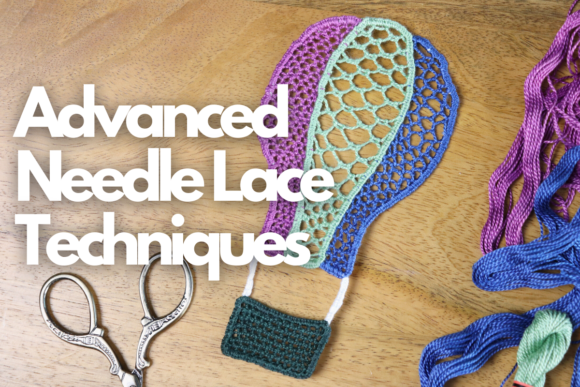
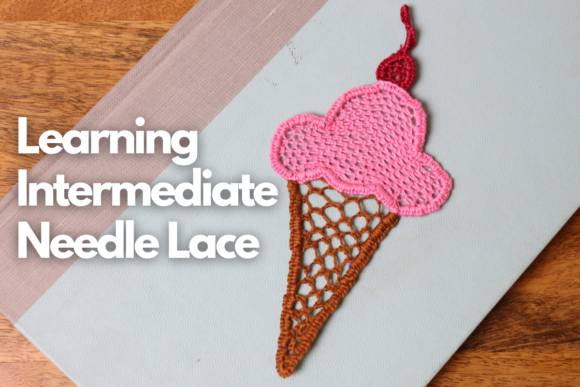
This is not your typical applique design or simple satin stitch motif. In the introduction class, embroidery artist Charlie taught you several styles of needle lace, but these were done attached to the fabric. Now, learn how to detach that lace so it stands on its own. This transition from supported to free-standing lace (FSL) is where the magic—and the challenge—lies. For those of us running a craft business or selling on Etsy, understanding this technique is less about following instructions and more about mastering a high-value skill that distinguishes handmade products from mass-produced goods.
The Aesthetic Appeal and Design Personality
The first impression of Learning Intermediate Needle Lace is one of delicate sophistication. The mood it creates is airy and vintage, yet precise enough for modern applications. Unlike dense fill stitches that can feel heavy on lightweight garments, this technique relies on the interplay of negative space and structural threads. The visual personality is intricate without being chaotic. For an embroidery project aimed at boutique branding or high-end gift items, this level of detail signals quality.
When I visualized this in a real-world scenario, I imagined it applied to a custom linen tote bag. Imagine a structured, free-standing lace flower pinned over a solid-colored canvas. The contrast between the rigid, architectural nature of the lace and the soft, textured drape of the linen creates a tactile experience that customers love. It elevates a simple tote bag design into a piece of wearable art. However, this aesthetic requires confidence. You are not just filling a shape; you are building a miniature sculpture out of thread.
Real-World Application and Product Fit
Where does Learning Intermediate Needle Lace truly shine? In my assessment, it is best suited for items that do not undergo rigorous mechanical stress. Think personalized gift items like framed nursery decor, wedding keepsakes, or decorative pillow covers. The three-dimensional quality of detached lace adds depth that flat embroidery simply cannot achieve.
I also see significant potential in holiday embroidery projects. Ornament covers or tree skirts benefit from the light-reflecting properties of lace threads. For an Etsy seller, offering a line of FSL ornaments could be a strong seasonal revenue stream. The perceived value is high because the technique looks difficult to replicate, even though the digital guidance simplifies the process.
However, I would hesitate to use this specific technique on high-wear custom apparel like daily-use sweatshirts or children’s play clothes. While beautiful, free-standing lace can be fragile if snagged. It is better suited for baby embroidery on christening gowns or special occasion outfits rather than everyday onesies. For sweatshirt embroidery, I would recommend using the techniques learned here to create small, protected accents rather than large, exposed panels.
Technical Considerations for the Practical Designer
Let’s talk about the nuts and bolts. Working with detached lace demands precision. The most critical factor is your stabilizer. You cannot skimp here. I strongly advise using a heavy-duty water-soluble stabilizer to provide the necessary foundation for the lace to form before you wash away the support. If the stabilizer is too thin, your lace will collapse or distort.
Thread choice is equally vital. Standard polyester threads work, but for a premium look, consider rayon or metallic threads that catch the light. When testing thread colors, remember that lace relies on shadow and highlight. A monochromatic scheme often looks more elegant than a rainbow of colors, which can muddy the intricate details. Always test your design on scrap fabric first. Do not jump straight into your final product. Check the stitch density; if it is too sparse, the lace will be weak. If it is too dense, it may become stiff and brittle.
Another practical note: verify your hoop size compatibility. Free-standing lace often requires specific hoop dimensions to ensure the design stays within the stable area of the stabilizer. Since the product description does not specify exact file formats or hoop limits, you must check these details in the class materials before purchasing or starting your project. Confirming licensing is also essential if you plan to sell the finished product. Ensure that the digital embroidery file usage rights align with your commercial goals.
Navigating Challenges and Fabric Choices
Not every fabric is a candidate for this technique. Avoid stretchy fabrics or loosely woven materials as the base for attaching your lace elements. The tension required for FSL can distort knits. Instead, opt for stable cottons, linens, or denim. If you are creating an embroidered patch to be ironed on later, FSL is an excellent choice because it holds its shape independently of the garment.
Be cautious with dark fabrics if you are using light-colored threads, as the backing might show through if the lace is not densely stitched. Conversely, on light fabrics, ensure your thread contrast is sufficient to make the design pop. I recommend creating black and white mockups to check the readability of the design before committing to color.
Final Verdict for Creative Entrepreneurs
Learning Intermediate Needle Lace is a valuable addition to any serious embroiderer’s toolkit. It moves beyond basic decoration into the realm of structural design. For small shop product lines, it offers a unique selling proposition that competitors using standard fills may lack. It enhances brand consistency by showcasing technical mastery.
While it requires a steeper learning curve than a standard running stitch outline, the payoff in visual appeal and customer trust is substantial. Buyers recognize the effort involved in free-standing lace. It suggests a level of care and expertise that justifies a higher price point. Whether you are designing for a printable mockup portfolio or creating physical design assets for clients, this class provides the foundational knowledge to execute complex, beautiful work.
In conclusion, approach this with patience and precision. Test your settings, respect the materials, and let the lace breathe. When done correctly, the result is not just embroidery; it is textile engineering that delights the eye and touches the soul. For the dedicated maker, Learning Intermediate Needle Lace is not just a class; it is an invitation to elevate your craft.