Review: Blue Knitted Pattern Cross Stitch Vector for Craft Fairs
As an embroidery designer who has spent countless weekends standing behind booth tables, I have learned that the difference between a browser and a buyer often comes down to visual impact. When I first pulled up the Blue Knitted Pattern Cross Stitch Vector, my immediate reaction was one of relief. In a market saturated with overly complex or trendy designs that fade quickly, this piece offers something timeless. It feels rustic yet refined, striking a balance between traditional ethnic craft aesthetics and modern home decor sensibilities. For those of us running small shops or selling at local markets, finding a design that translates well from screen to fabric is half the battle.
First Impressions and Aesthetic Appeal
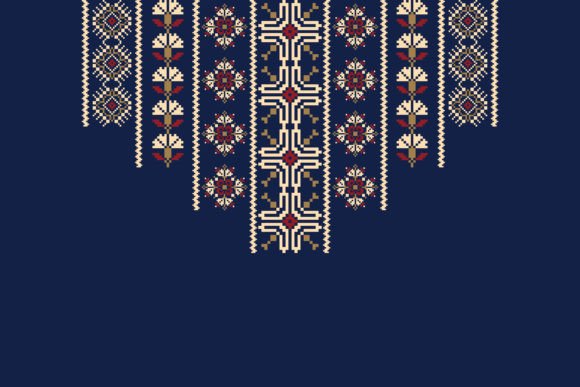
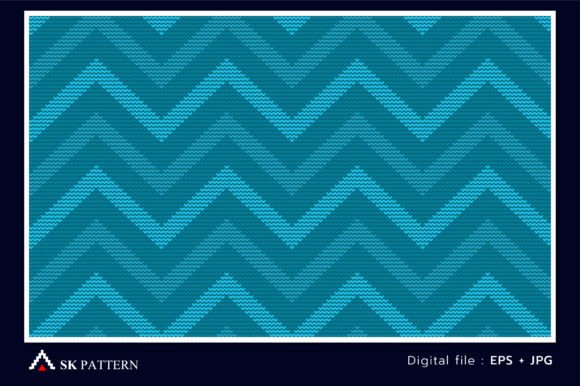
The title itself suggests a cozy, tactile experience. The term "knitted pattern" implies warmth and texture, while "cross stitch" brings to mind precision and heritage. This Embroidery Classic Background does not scream for attention with neon colors or chaotic shapes. Instead, it invites the viewer in with a sense of calm. The blue hue is versatile, working equally well in a farmhouse kitchen, a nursery, or a modern living room. As a Graphics asset, it provides a solid foundation for various applications. It feels premium without being pretentious, which is exactly what handmade buyers are looking for today. They want quality that looks intentional, not just homemade.
Product Versatility for the Craft Fair Booth
When planning my inventory for a weekend craft fair, I always look for designs that can be applied across multiple product lines. This maximizes my return on investment for the digital embroidery file. Here is how I see the Blue Knitted Pattern Cross Stitch Vector performing on specific items:
- Tote Bags: This is perhaps the strongest contender. A large-scale version of this pattern on a canvas tote creates an instant bestseller. It serves as a stylish tote bag design that appeals to shoppers looking for eco-friendly alternatives to plastic bags.
- Tea Towels and Aprons: For kitchenware, the cross-stitch aesthetic shines. An apron embroidery featuring this pattern adds a touch of heritage charm. Similarly, tea towel embroidery benefits from the geometric nature of the design, which remains clear even after repeated washing.
- Pillow Covers and Throw Blankets: The description mentions suitability for floor pillows and tapestries. On larger fabric surfaces, the repeating nature of the knitted pattern creates a cohesive look that elevates the perceived value of the handmade product.
- Embroidered Patches: If scaled down correctly, this design could work as a decorative patch. However, care must be taken to ensure the details do not merge into a blob of thread.
Practical Production and Selling Points
From a production standpoint, efficiency is key. A design that takes too long to stitch eats into profit margins. While I cannot specify the exact stitch count without seeing the file metadata, the vector nature of the Blue Knitted Pattern Cross Stitch Vector suggests clean lines. Clean lines usually translate to fewer jumps and more efficient machine movement. This makes it an excellent candidate for batch production, allowing you to create multiple craft fair products in a single day.
Photography is another critical factor. This design photographs beautifully because of its high contrast potential. Against white or cream fabric, the blue threads pop, making your Etsy seller listings stand out in search results. For booth displays, having a few large samples, such as a wall hanging or a oversized pillow, draws customers to your table from a distance. Once they are close, smaller items like pouches or caps seal the deal.
Careful-Use Notes and Technical Considerations
While the design is versatile, there are technical pitfalls to avoid. Not every fabric or hoop size is suitable for every iteration of a pattern. Here are some crucial considerations for any commercial embroidery project using this asset:
- Stitch Density: Cross-stitch styles can sometimes be dense. If the stitch density is too high, it may cause puckering on lightweight fabrics like cotton tea towels. Always test on scrap fabric first.
- Fabric Texture: Textured towels or thick denim may hide fine details. Ensure the thread colors have enough contrast against the fabric texture to maintain visibility.
- Curved Surfaces: Embroidering on caps requires careful hooping. The geometric nature of this pattern might distort if not stabilized properly on curved surfaces. Use a strong cut-away stabilizer to prevent shifting.
- Small Lettering or Details: If the vector includes any tiny elements, they may get lost at smaller sizes. Avoid using this as a small accent on narrow items unless you confirm the clarity remains intact.
- Dark Fabric: Blue thread on dark navy or black fabric will disappear. Stick to light or neutral backgrounds to let the design breathe.
Enhancing Brand Consistency and Visual Appeal
Using a consistent design language helps build brand recognition. The Blue Knitted Pattern Cross Stitch Vector fits seamlessly into a brand identity focused on comfort, tradition, and quality. It reinforces the narrative of the small shop product being made with care. When customers see this pattern on a tote, then on a pillow, and then on a wall art piece, they begin to associate that specific aesthetic with your brand. This consistency drives repeat business and strengthens buyer engagement.
Furthermore, the visual appeal of this design lies in its simplicity. It does not overwhelm the eye. In a busy craft fair environment, simple, bold designs often outsell complex ones because they are easier to process visually. Customers can instantly understand what they are looking at, which reduces hesitation and increases sales velocity.
Designer Notes for Final Production
Before you commit to producing a full inventory, take these professional steps to ensure success. First, always check the license terms. Confirm that the Patterns and Graphics included allow for commercial use of finished products. Second, create at least one real mockup. Do not rely solely on digital previews. Stitch the design onto the actual fabric you intend to sell. Check the hoop size compatibility and ensure the design fits within your machine’s maximum area.
Compare different thread shades of blue. A royal blue might look vibrant, but a slate blue might look more sophisticated. Test both. Finally, use the design to create a printable mockup for your online store. High-quality images derived from real samples will convert better than generic digital renders. By treating the Blue Knitted Pattern Cross Stitch Vector as a core component of your product line, you can create a cohesive, attractive, and profitable collection for your next market season.