Reviewing Flower in Basket for Real Embroidery Projects
As a designer who has spent countless hours staring at digitized files and watching needles punch through fabric, I have learned that not every machine embroidery design is created equal. Some look stunning on a screen but turn into a tangled mess of thread breaks and puckering on the hoop. When I first opened the file for Flower in Basket, my immediate reaction was one of cautious optimism. It sits comfortably within the Bouquets category, offering a classic aesthetic that appeals to a wide range of customers. But does it hold up under the pressure of real-world production? Let’s dig into the practical details.
First Impressions and Visual Mood
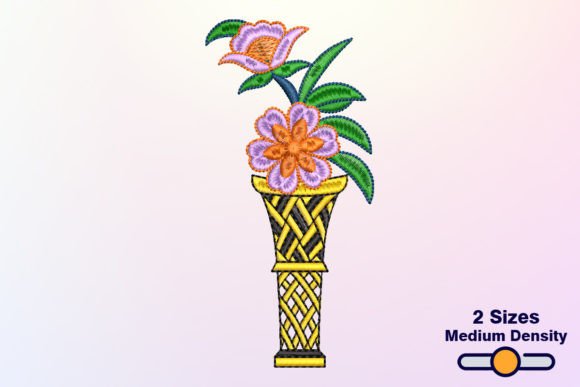
The initial visual impact of Flower in Basket is warm and inviting. It carries a fashionable and fancy accent that feels less like a rigid digital asset and more like a hand-drawn sketch brought to life. The layout suggests a balanced composition, where the floral elements nestle naturally into the container rather than floating awkwardly above it. For those who love the digital world but crave tangible results, this design bridges that gap effectively.
The mood here is versatile. It is not overly childish, nor is it strictly formal. This makes it an excellent candidate for creators who want to offer a unique gift that feels personal yet professional. The detail level appears moderate, which is often the sweet spot for efficiency in a craft business. Too much detail can lead to excessive run times and thread breaks, while too little can look cheap. This design seems to strike a balance that supports both speed and quality.
Real-World Application Scenarios
To truly evaluate an embroidery file, you must imagine it on actual products. I recently considered using Flower in Basket for a custom order involving a canvas tote bag. The structure of the basket in the design complements the sturdy texture of canvas beautifully. The fill stitch areas in the flowers would provide nice coverage without being so dense that they stiffen the fabric excessively. For an Etsy seller looking to expand their tote bag design lineup, this could be a strong contender.
Beyond bags, I see strong potential in sweatshirt embroidery. Placed on the left chest or as a larger back piece, the design adds a boutique touch to plain garments. It works well for custom apparel because the shapes are distinct enough to remain recognizable even from a distance. If you are running a small shop product line, consider using this on aprons or kitchen towels. The domestic, cozy vibe of a flower basket aligns perfectly with home goods, making it a natural fit for holiday gifts or housewarming presents.
For baby embroidery projects, such as bibs or burp cloths, the design offers a gentle aesthetic. However, you must be mindful of scale. On smaller items, ensure the intricate parts of the bouquet do not become lost. A personalized gift featuring this motif could easily become a cherished keepsake if executed with high-quality thread colors that contrast softly against pastel fabrics.
Technical Considerations and Stitch Behavior
While the visual appeal is strong, we must address the technical execution. Without specific data on stitch count or exact file formats provided in the description, I advise you to check these details before committing to a large production run. Look closely at the transition between the satin stitch borders and the internal fill areas. Smooth transitions are critical for preventing thread bunching.
Stitch density is another crucial factor. If the design is too dense, it will pull on lightweight fabrics, causing distortion. I recommend testing Flower in Basket on scrap fabric first. Try it on a medium-weight cotton to see how the stabilizer interacts with the stitch pattern. If you plan to use it on stretchy fabric, such as a t-shirt or a cap, a cut-away stabilizer might be necessary to maintain shape integrity. For structured items like an embroidered patch, a heat-seal backing could add durability and ease of application.
Pay attention to the small details in the basket weave or flower petals. Tiny, isolated stitches can be prone to breaking during high-speed machine operation. If you notice any such elements during your test run, consider adjusting the tension or slowing down the machine speed. Checking the design in black and white mockups can also reveal if the contrast is sufficient for visibility on dark fabrics. Sometimes, a design that pops on white linen disappears entirely on navy blue denim unless you adjust the thread colors strategically.
Navigating Fabric and Hoop Constraints
Not every surface is ideal for this type of Embroidery. Curved surfaces, like the front of a baseball cap, require careful hooping. The flat base of the basket in the design needs to sit flush; otherwise, the perspective may look distorted. If you are working with textured fabrics, such as terry cloth or fleece, the finer details of the bouquet might get lost in the pile. In such cases, using a topping stabilizer can help the needle penetrate cleanly and keep the stitches visible.
Also, consider the hoop size required. Ensure your machine can accommodate the dimensions of the design without needing to re-hoop, which can lead to alignment issues. For layered garments, such as a jacket with a lining, verify that the needle length and type are appropriate to avoid damaging the inner layers. Always confirm whether the design works for both personal and commercial projects by reviewing the license terms. As a digital embroidery file user, respecting intellectual property is vital for maintaining professionalism and avoiding legal issues in your craft business.
Enhancing Brand Value and Customer Trust
Using high-quality design assets like Flower in Basket can significantly impact your brand perception. When customers receive a finished product that looks crisp, clean, and well-executed, their trust in your skills grows. This design, with its fashionable accent, can help elevate a simple item into a premium offering. Whether you are creating printable mockup images for your online store or stitching physical samples for a craft fair, consistency in quality is key.
For commercial embroidery clients, presenting a portfolio that includes versatile designs like this shows range and attention to detail. It signals that you understand both aesthetic trends and technical limitations. By carefully selecting where and how to apply this motif, you enhance the overall value of your handmade products. Remember, the goal is not just to stitch a design, but to create an experience for the buyer. A well-chosen bouquet on a tote bag or a sweatshirt tells a story of care and craftsmanship.
In conclusion, Flower in Basket is a promising addition to any designer’s library. It offers flexibility across various product types, from home decor to apparel. However, success depends on your preparation. Test thoroughly, respect the material constraints, and always prioritize clarity in your stitching. With the right approach, this design can become a staple in your repertoire, helping you deliver beautiful, durable, and desirable items to your customers.