Reviewing Birth of Jesus Red Work for Small Business Merch
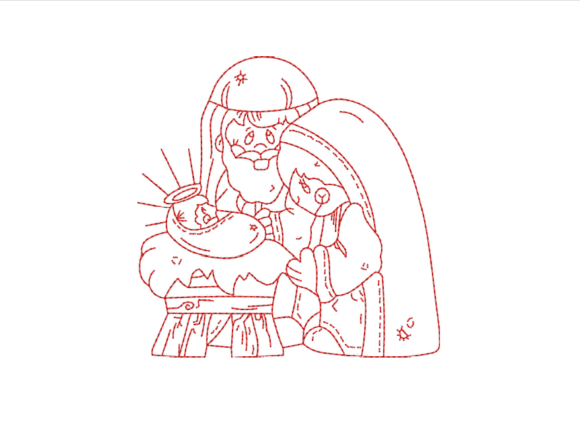
As an embroidery designer who has spent years digitizing and reviewing files for commercial use, I approach every new machine embroidery design with a critical eye. It is not just about whether the image looks cute on a screen; it is about how that design translates to fabric, thread, and ultimately, the brand identity of the small business using it. Recently, I evaluated Birth of Jesus Red Work, a festive file intended for holiday projects. While the product description highlights its ability to make kids and elders smile, my focus was on its viability for branded merchandise, patches, and professional apparel.
First Impressions: Visual Personality and Brand Fit
The title Birth of Jesus Red Work immediately suggests a traditional, perhaps rustic or classic aesthetic. Redwork is a historic style characterized by single-color stitching, often red, on white or neutral backgrounds. This technique evokes feelings of nostalgia, handmade quality, and timeless elegance. For a small business owner, this visual personality is powerful. It does not scream "modern tech startup"; instead, it whispers "artisan," "heritage," and "warmth."
If you run a boutique bakery, a florist, a local café, or a handmade gift shop, this design aligns perfectly with a brand identity that values tradition and community. The "cute Christmas design" aspect mentioned in the description suggests it is approachable and friendly, making it suitable for customer-facing items where you want to evoke joy and comfort. However, because it is religious in nature, it requires thoughtful placement within your broader marketing strategy to ensure it resonates with your specific customer base without alienating others.
Real-World Applications for Small Business Merch
When considering Birth of Jesus Red Work for commercial embroidery, we must look beyond simple decoration. How does it function as a business asset? Here are several practical applications where this design could add significant value to your product line.
- Embroidered Patches: This is perhaps the strongest use case. A redwork-style patch can be sewn onto denim jackets, canvas tote bags, or aprons. Patches allow customers to buy into your brand identity without committing to a full garment. They are low-risk, high-margin items that serve as walking advertisements.
- Staff Uniforms and Aprons: For seasonal staff at a holiday market or a themed event, embroidering this design on the chest pocket of an apron adds a touch of professionalism and festivity. It signals to customers that your team is engaged and celebratory.
- Tote Bag Design: Canvas totes are staples for retail shops. Placing this design centrally on a natural cotton tote creates a premium, handmade product feel. The contrast of red thread on natural fabric is visually striking and photogenic, which helps with social media marketing.
- Customer Gifts and Packaging Accents: Smaller versions of the design can be used on gift tags or small linen pouches included with purchases. This elevates the unboxing experience and reinforces the perception of a thoughtful, high-quality handmade product.
Technical Considerations and Production Challenges
While the aesthetic appeal is clear, the technical execution determines whether the finished product looks professional or amateur. As a designer, I have several concerns and recommendations regarding the production of Birth of Jesus Red Work.
Stitch Density and Fabric Texture: Redwork designs typically rely on outline stitches rather than dense fills. This is generally good for reducing puckering, but you must check the stitch density. If the lines are too sparse, the fabric may show through uncomfortably. If they are too dense, the fabric may pucker, especially on lighter materials like cotton voile or thin polyester blends. Always test on the actual fabric texture you intend to use.
Thread Colors and Contrast: The term "Red Work" implies a specific color palette. However, for brand consistency, you might need to adapt the thread colors. Does your brand use a specific shade of crimson, burgundy, or bright red? Ensure the design allows for easy color changes in your embroidery software. Also, consider how the red thread contrasts against dark uniforms. On navy or black fabrics, red can sometimes vibrate visually or get lost if the lighting is poor. Test samples in various lighting conditions.
Hoop Size and Placement: The description notes that the digital embroidery file comes in multiple formats, but it does not specify the exact hoop size. Before purchasing, verify if the design fits standard hoops (4x4, 5x7, or 6x10). For cap embroidery, the curved surface requires a design that is not too wide or tall, otherwise, it may distort. For chest logos, ensure the scale is appropriate; too large looks aggressive, too small becomes illegible.
Strategic Advice for Commercial Use
To maximize the return on investment for this embroidery file, follow these practical steps before launching your merchandise line.
- Test in Black and White First: Convert the design to grayscale in your viewing software. This helps you evaluate the balance and spacing without the distraction of color. If the design lacks definition in black and white, it may lack impact in red.
- Check Scalability: Resize the design to the smallest dimension you plan to use, such as a small patch or sleeve detail. Zoom in to inspect the spacing between lines. If the gaps are too narrow, threads may merge during washing, creating a blob rather than a clear image.
- Use Proper Stabilizer: For items that need frequent washing, like staff t-shirts or kitchen aprons, use a cut-away stabilizer rather than tear-away. This ensures the design remains stable and does not distort over time, maintaining the professional look of your custom apparel.
- Create a Printable Mockup: Before stitching a single thread, create a digital mockup. Place the design on images of your actual products. This helps you visualize the final look and confirm it aligns with your other design assets. It also serves as a valuable tool for client approval if you are doing work for others.
- Confirm Commercial Licensing: The product description mentions it is a machine embroidery design but does not explicitly state the license terms. Always read the seller’s policy. Ensure you have the right to use the design for physical goods you sell. Some licenses restrict the number of units or prohibit use on certain types of merchandise.
Enhancing Brand Identity and Customer Trust
Ultimately, the goal of using Birth of Jesus Red Work is to strengthen your brand. When customers see consistent, high-quality embroidery on your products, it builds trust. It signals that you care about details and quality. A well-executed embroidered patch or apron becomes a conversation starter. It invites customers to ask about the design, giving you an opportunity to share your brand story.
However, consistency is key. If this design feels out of place next to your other branding elements, it may confuse customers. Ensure that the rustic, traditional vibe of the redwork complements your logo, packaging, and overall store aesthetic. If your brand is ultra-modern and minimalist, this design might clash. But for brands rooted in community, tradition, or handmade crafts, it is a perfect fit.
In conclusion, Birth of Jesus Red Work offers significant potential for small business merchandise, provided it is handled with technical precision and strategic intent. By testing thoroughly, respecting fabric limitations, and aligning the design with your brand identity, you can transform a simple Christmas motif into a valuable asset for your business. Remember to verify all technical specs and licensing details before production to ensure a smooth and profitable launch.