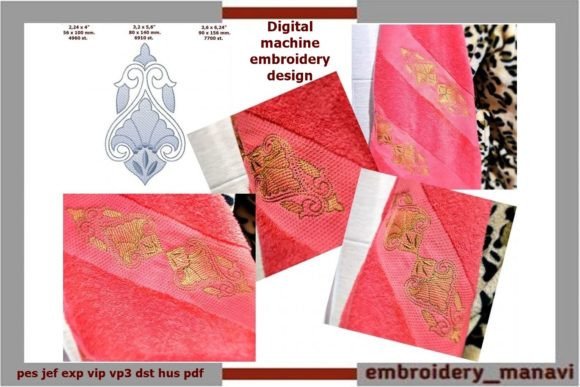
Monochrome Pattern: A Designer’s Review for Boutique Apparel
As an embroidery designer who spends countless hours digitizing and testing files, I have learned that not every machine embroidery design translates well from screen to fabric. When I first encountered the Monochrome Pattern on Creative Fabrica, my immediate reaction was one of cautious optimism. The preview images suggested a delicate aesthetic, but as anyone in the industry knows, delicate often means difficult. This review breaks down how this specific embroidery file performs when applied to boutique apparel, specifically focusing on sweatshirts, hoodies, and custom accessories.
Visual Personality and Stitching Mood
The first thing that strikes you about Monochrome Pattern is its understated elegance. Unlike bold, blocky logos that scream for attention, this design whispers. It falls squarely into the category of Intricate Cuts, relying on fine lines and subtle shading rather than heavy satin fills. For a boutique brand aiming for a minimalist or classic vibe, this is a significant advantage. The visual personality is feminine yet neutral, making it versatile enough for various demographics.
The stitching mood feels premium. In a market saturated with loud graphics, a design that offers texture without overwhelming the garment stands out. It does not feel rustic or overly playful; instead, it leans towards a trendy, sophisticated look that appeals to customers seeking high-end handmade products. However, because it is described as delicate, it requires a keen eye for detail during the production phase.
Performance on Sweatshirts and Hoodies
My primary test bed for this design was a collection of neutral-toned sweatshirts and pastel hoodies. Sweatshirt embroidery presents unique challenges due to the thickness of fleece and the potential for puckering. Here is how Monochrome Pattern held up:
- Hoodie Chest Placement: On a standard left-chest placement, the design looked exquisite. The fine details remained crisp against the soft fabric, provided the correct stabilizer was used. It added a touch of refinement to an otherwise casual garment.
- Sleeve Accents: I experimented with placing a smaller version on the sleeve. This worked beautifully for creating a cohesive custom apparel line. The intricate nature of the pattern meant it didn't look like a afterthought, but rather a deliberate design choice.
- Back Designs: For oversized garments, a larger scale of the pattern on the back created a stunning focal point. It transformed a basic hoodie into a statement piece suitable for social media graphics and lifestyle product photos.
When working with dark apparel, I found that thread color contrast was critical. Using a slightly lighter shade than the base fabric allowed the thread colors to pop without losing the monochromatic theme. On light fabrics, matching the thread exactly to the garment created a subtle, tonal effect that felt very high-end.
Versatility Beyond Apparel
While my focus was on clothing, the versatility of this digital embroidery file extends to other popular items for Etsy sellers and small shop owners. I tested the design on tote bags and denim jackets. On canvas tote bags, the stitch density held up well, adding durability and style. For denim jackets, the sturdy fabric provided an excellent foundation for the intricate cuts, preventing any distortion.
This adaptability makes it a valuable asset for commercial embroidery projects. Whether you are creating cozy seasonal outfits or everyday essentials, the design maintains its integrity. It serves as an excellent complement to house textiles as well, though its application in fashion allows for higher perceived value.
Practical Embroidery Designer Notes
Before running this design on your final inventory, consider these technical aspects to ensure a professional finish:
- Stabilizer Choice: Because the pattern is delicate, using a cut-away stabilizer is recommended for stretchy fabrics like fleece. This prevents the design from distorting over time.
- Fabric Texture: Test on scrap fabric first. The texture of your specific garment can affect how the fine stitches lay. Rougher textures may hide some details, while smoother fabrics will highlight them.
- Hoop Size: Confirm the required hoop size before starting. Intricate designs often require precise hooping to ensure the entire pattern fits without re-hooping, which can cause misalignment.
- Stitch Density: Inspect the stitch density in your software. If it seems too dense for lightweight t-shirts, consider using a water-soluble topping to prevent sinking.
It is crucial to check the Creative Fabrica product details and licensing before selling finished apparel. Ensure that the license covers commercial use for physical goods. Since the description mentions it is an excellent pers [presumably perspective or presentation], verify if multiple formats are included to match your machine’s compatibility.
Enhancing Brand Identity and Value
Using a design like Monochrome Pattern can significantly impact your brand identity. For a boutique brand, consistency is key. This design allows for visual consistency across different product lines, from t-shirts to accessories. When customers see this level of detail, it builds buyer trust. They perceive the product as carefully crafted rather than mass-produced.
For Etsy listings and printable mockups, the delicate nature of the embroidery photographs beautifully. It catches the light in a way that flat prints cannot, enhancing customer engagement. High-quality images of the finished product can justify a higher price point, reflecting the effort and skill involved in handmade product creation.
Where to Use Caution
While versatile, this design is not without its limitations. Avoid placing it on areas that experience high stress or frequent stretching, such as the knees of pants or the elbows of tight-fitting sleeves. The intricate cuts may break or distort under tension. Additionally, be cautious with tiny lettering if the design includes text elements, as these can become illegible on textured fabrics like fleece.
Curved surfaces also pose a challenge. Hooping a curved area like a shoulder requires skill to prevent shifting. Always test on similar garment fabric to gauge how the material reacts to the needle penetration.
Final Verdict for Small Business Owners
The Monochrome Pattern is a strong contender for designers looking to elevate their small shop product offerings. It bridges the gap between casual comfort and refined style. For those specializing in commercial embroidery, it offers a reliable option for clients seeking subtle branding. By paying attention to stabilizer choices and thread contrast, you can produce a finished product that stands out in a crowded market. Remember to always verify the specific file formats and license terms on the product page to ensure full compliance with your business model.