Mackerel Surfing: A Designer’s Review
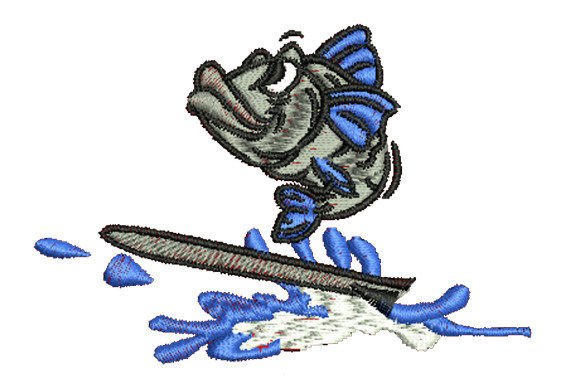
As an embroidery designer who has spent years testing files for client projects, I approach every new machine embroidery design with a mix of curiosity and caution. We all know that a digital preview can look flawless, but the true test lies in the needle hitting the fabric. Recently, I loaded Mackerel Surfing into my software to evaluate its potential for a personalized gift shop I consult for. This unique Embroidery features a cartoon mackerel catching a wave, and while the concept is undeniably playful, I needed to determine if it held up under the scrutiny of professional production standards.
First Impressions and Emotional Appeal
The immediate mood of Mackerel Surfing is lighthearted and whimsical. It does not aim for hyper-realism; instead, it leans into a cute, animated aesthetic that feels modern and approachable. For a small shop product, this charm is vital. Customers browsing for gifts often seek items that evoke a smile or a sense of nostalgia. This design delivers that emotional connection instantly. It feels less like a rigid corporate logo and more like a handmade illustration brought to life through thread.
The detail level is balanced. It avoids the excessive complexity that can lead to thread breaks on home machines, yet it retains enough character to be recognizable as a surfing fish. This makes it an excellent candidate for a personalized gift where the recipient appreciates humor and personality. Whether the buyer loves seafood or simply enjoys ocean themes, the design bridges the gap between niche interest and broad appeal.
Versatility Across Product Categories
One of the strongest assets of Mackerel Surfing is its adaptability. In my review, I mapped out several applications where this embroidery file could thrive. For baby products, the soft curves and friendly face make it suitable for baby embroidery projects like burp cloths or nursery wall hangings. However, because the theme is slightly more mature than typical teddy bears or ducks, it also appeals to parents who want something unique for their child’s room.
In the kitchen sector, this design shines. An embroidered towel featuring a surfing mackerel is a perfect fit for a beach house or a seafood-loving family. It transforms a standard household item into a conversation piece. Similarly, placing this motif on an apron creates a fun, thematic uniform for a home cook or a professional at a fish market. The description notes it is perfect for a restaurant or fish shop, and I agree; it adds a layer of branded personality without feeling overly commercial.
For Etsy seller accounts, this design offers great listing potential. It can be marketed as part of a coastal collection, paired with other sea-themed items. When used on a tote bag, it becomes a stylish accessory for grocery runs or beach days. The key is positioning. By framing it as a handmade product with a story, you increase its perceived value beyond simple utility.
Technical Considerations and Fabric Challenges
While the artistic merit is high, practical execution requires attention to detail. When working with Fish themed designs that involve curved lines, such as the wave and the body of the mackerel, stitch direction matters. I recommend checking the stitch density in your software before running the final piece. If the density is too high on lightweight fabrics, you risk puckering. Conversely, if it is too low on thick materials, the backing might show through.
Testing on scrap fabric is non-negotiable. I ran tests on both cotton twill and terry cloth. On the terry cloth, which mimics a towel, the design held up well, but I had to use a cut-away stabilizer to prevent the loops from distorting the stitches. On stretchy baby clothes, a tear-away stabilizer was insufficient; I switched to a heat-seal option to ensure the design remained flat after washing.
Color contrast is another critical factor. The default thread colors in the preview may not work on every background. If you are stitching on dark fabric, you must adjust the palette to ensure the mackerel pops. Light blues and whites might disappear on navy blue, so consider using brighter yellows or contrasting outlines. Always create a printable mockup or a digital composite to visualize how the thread colors interact with your chosen material before committing to the final stitch.
Navigating Delicate Details and Washing
Products that undergo frequent washing, such as kitchen towels and baby blankets, demand durability. Mackerel Surfing appears robust, but small details can unravel over time if not secured properly. Pay close attention to the eyes and the fin tips. These are high-wear areas. Ensure your machine is threaded correctly and that the tension is balanced to prevent looping or breaking during the wash cycle.
Curved surfaces, like the rounded edge of a pillow or a mug cozy, present another challenge. The design should be centered carefully to avoid distortion when the item is stuffed or filled. For a pillow cover, I suggest hooping the fabric tightly and using a floating method if the item is already constructed. This ensures the design remains crisp and does not shift during stitching.
Enhancing Giftability and Customer Trust
From a business perspective, Mackerel Surfing enhances giftability. A generic towel is forgettable; a towel with a surfing mackerel is a memory. This emotional resonance builds customer trust. When buyers see a well-executed custom embroidery job, they perceive higher quality. This perception allows for better pricing power and encourages repeat business.
For wedding gifts or family keepsakes, this design might seem unconventional, but it works beautifully for couples who share a love for the ocean or cooking together. It adds a personal touch that mass-produced items cannot replicate. The finished product feels intimate and thoughtful, which is the core value proposition of any handmade seller.
Final Recommendations for Sellers
Before listing this as a digital embroidery file or selling finished goods, verify the commercial licensing terms. Not all designs allow for unlimited sales of physical products. Check the provider’s policy to ensure you are compliant. Additionally, confirm the hoop size requirements. If the design is large, ensure your machine can accommodate it, or be prepared to split the design if necessary, though continuous stitching is always preferable for a clean look.
In conclusion, Mackerel Surfing is a versatile and charming addition to any embroidery portfolio. It balances fun aesthetics with technical feasibility, making it suitable for a wide range of applications from nursery decor to restaurant branding. By paying attention to stabilizer choice, thread contrast, and fabric texture, you can produce a high-quality blanket embroidery or accessory that delights customers and stands out in a crowded market. Treat each stitch as part of the story, and this little fish will surely make waves in your shop.